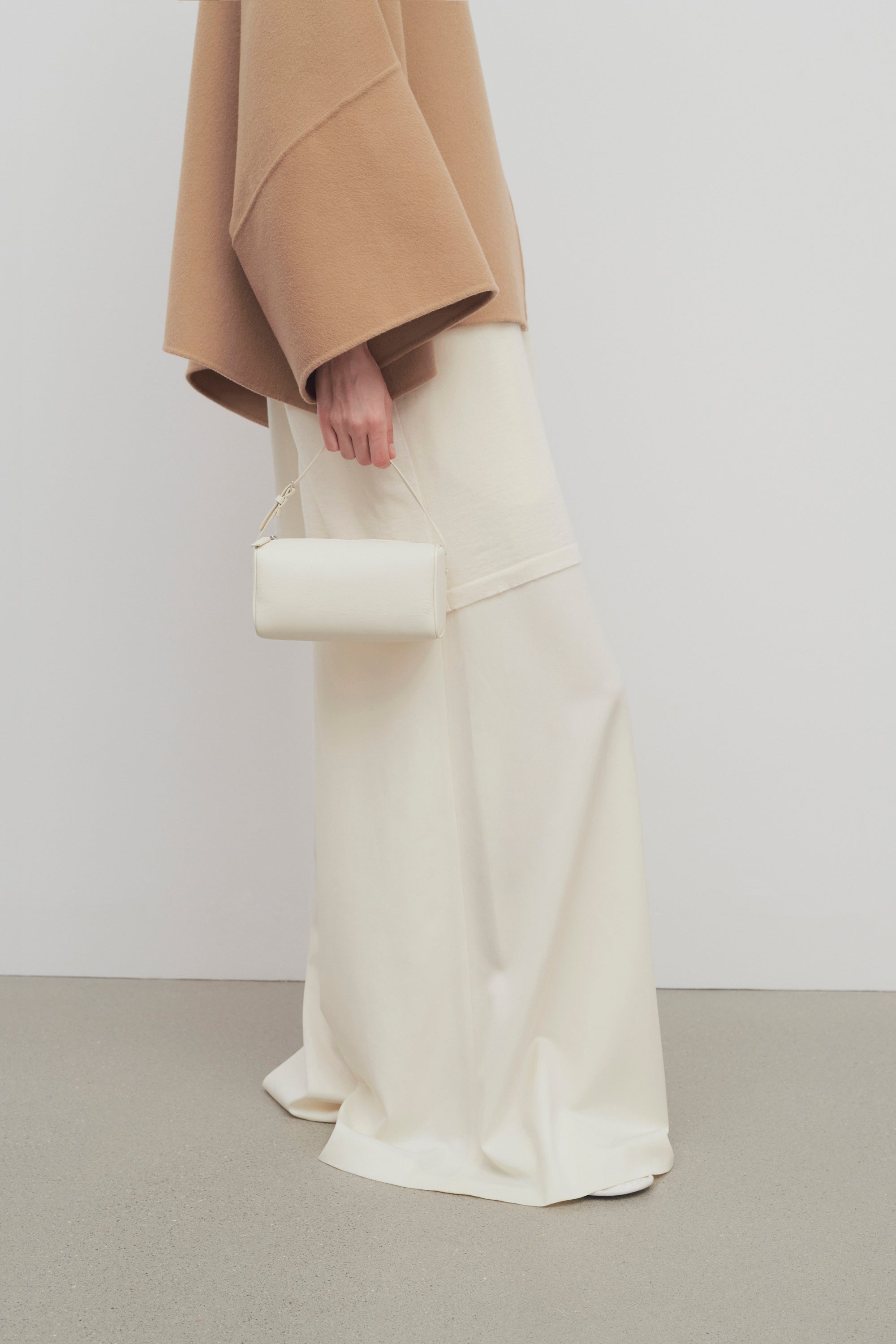
Day: October 19, 2026

  • Ferragamo Wanda Hug Bag Roomy Everyday Tote

    Ferragamo Tote Bags: A Complete Overview

    The least crowded stretch of the Ferragamo handbag catalogue is where the totes live, and that quietness makes them worth mapping properly. Counted on the brand’s own United States webstore, the women’s assortment ran to 279 handbags when the shelves were counted in 2026, and totes accounted for only 19 of them. Place it alongside 90 top handles, 79 shoulder and hobo styles, 36 minis, 33 clutch and evening pieces and 27 crossbodies and the house’s character becomes plain: you are looking at a structured-handle brand that also makes carry-alls, not a tote specialist dabbling elsewhere. A short list is quick to memorise, which is the advantage for a buyer; the price of it is that a specific colour in a specific size can be gone from the tote shelf long before the rest of the shop thins out. Over the sections that follow the full shelf is worked through, priced with figures observed in 2026 and then set against the wider range, so that what a Ferragamo tote offers and what it quietly costs elsewhere both become clear.

    How a house built on shoes arrived at totes

    Bags at this house are a good deal younger than shoes, and that gap explains much about the way these bags come together. Salvatore Ferragamo founded the business in 1927 in Florence, where the company still occupies Palazzo Spini Feroni, and its reputation was built entirely on footwear. Handbags joined the house in 1965, when Fiamma Ferragamo began designing handbags and small leather goods as accessories to the shoes, and 1969 marks the first press article featuring a Ferragamo bag. That salvatorebag.com/handbags accessory logic still runs through the totes, which are cut cleanly and finished like leather goods rather than built like luggage. A last naming detail: since late September 2022 the fashion label is styled simply Ferragamo, the founder’s handwritten script replaced by a custom serif logo by Peter Saville, whereas the listed company remains Salvatore Ferragamo S.p.A. Resale platforms still file everything under Salvatore Ferragamo, so a search for salvatore bags and a search for ferragamo bags land in the same catalogue with a different label on the folder.

    Which totes you will really come across

    Four families carry the category on the brand’s own webstore, and each one solves a different problem. Begin at the Mini tote, the tightest of the group and the cheapest way into the shape: a compact rectangle that does day-bag duty rather than work-bag duty. Decoration on the Gancini outline tote, in medium and large, rests on the house hook motif, so it is the quickest of the group to identify. Softer by design is the Folded tote, also medium and large: its construction permits the sides to fold in when the bag is under-filled, so it sits as a slouchy carry-all rather than a rigid box. In large, the Ferragamo Mia tote takes the highest position, being the only tote here that reaches finishes expensive enough to alter the price conversation entirely. For anyone wanting tote volume without the tote label will also want the Studio Soft bag, offered in medium, large and an east-west medium.

    Prices observed across the totes in 2026

    All of the figures below were observed in 2026 on the brand’s own United States webstore, and they should be read as observed 2026 market prices and not as an official price list. Hardware, material and size all move the number, so the same style can appear more than once, and ranges are more honest than single figures. What you get is a narrow ladder, with most totes between roughly $1,650 and $2,100 placing them below the brand’s signature top handles and far below its exotic pieces. Stretching that band upward is the Mia tote, whose large size has been observed across a spread reaching well into territory normally occupied by the Hug in large. Cross-check a tote at authorised stockists such as Nordstrom, Bloomingdale’s and Saks Fifth Avenue and you will generally see the brand’s own figure repeated rather than undercut, because they hold recommended retail. Aggregators converting currencies that pull from third-party sellers regularly disagree, and in those cases the official figure remains the spine to work from.

    Tote model Observed sizes Observed 2026 price What it is for
    Mini tote A single size $1,650 Entry point to the shape
    Gancini outline tote Medium and large $1,750 to $1,850 Strongest hardware story
    Folded tote Medium $1,850 A soft, collapsible daily bag
    Folded tote Large size $2,100 True work-bag volume
    Ferragamo Mia tote Large only $2,400 to $5,700 Widest price range of the group

    Materials, and what each one demands

    Throughout the current bag range, official composition fields list calfskin in smooth and grained or hammered finishes, suede, python, hand-woven wicker with silk lining, raffia, canvas and jacquard; the totes come from the same palette. The practical choice for a bag you intend to fill is grained and hammered calfskin, whose texture disguises scuffs that would show instantly on a smooth finish. Suede is beautiful and badly behaved in wet weather, so put it on a tote only once you have been honest about your climate. Woven materials such as wicker and raffia are structurally the most fragile choice, since the weave itself is the failure point once it has been crushed or overloaded. Given that Ferragamo publishes no public bag-care guide, read all of the above as general material guidance and not as instruction from the house. Genuine damage is a job for Repair Services, requested at selected stores, rather than a home remedy – it is the one official aftercare route.

    The hook motif, and why it matters

    If you learn one thing to recognise on a Ferragamo bag, make it the hook motif, and its origin is documented. In 1972 a trade paper published a photograph of a Ferragamo bag closed with a hook-shaped metal fitting, and that image is the motif’s first recorded appearance. Two spellings are used interchangeably in: golden Gancio buckles on one style, an iconic Gancini closure on another; broadly, Gancio is the single hook and Gancini is the motif family. Gold-tone is the rule for hardware across the current range, with silver-tone on selected pieces. Given that the motif on the Gancini outline tote works as decoration rather than a closure, that model is the most overtly branded tote in the group. The Folded tote and the Mini tote show noticeably less metal, which makes them the quieter pair and easier to wear with everything you own.

    Archive totes and the resale shelf

    Plenty of the tote talk here sits outside the current line-up by any means. Names such as Trifolio, Charming Tote and Gancio Lock Tote have gone from the United States assortment and now change hands on pre-owned platforms, with the Trifolio still leading the archive band; a Gancini-embossed large Trifolio tote was observed at $2,040 on one major platform in 2026. Coming in at roughly $935 to $1,045 in the same survey, Gancini-hardware shoulder totes in jacquard land at about half the price of a new Folded tote in large. Pre-2020 styles sit between $500 and $950 in that data, while only the current Hug family routinely clears $2,000 pre-owned. That is not investment advice – only observed market behaviour on one platform on one day. The takeaway for a tote buyer is plain: buying archive is the cheap route and buying current is the route that holds a number.

    How to buy, and a spelling to remember

    Ferragamo’s own instruction on authenticity is short: buy through its website or through authorised stores and distributors. That matters for totes because the shape is easy to copy and heavily counterfeited, and because the brand runs no official online outlet at all. What exists instead is a seasonal sale section on its own site plus Ferragamo stores operating inside outlet villages, from The Mall Firenze near Florence to a dozen or more Simon Premium Outlets across the United States and Canada, though the brand’s own store locator labels none of them an outlet. The structural test beats the visual one every time: a website presenting itself as an official Ferragamo shop discounting current-season bags implausibly is not the brand. The company reports removing 107 fraudulent websites in 2022 alone, along with more than 89,000 counterfeit product listings. Worth knowing if you search that feragamo bag with a single r is a common misspelling, and so are ferragammo and salvatore feragamo; each of them leads back to the same 279-bag catalogue.
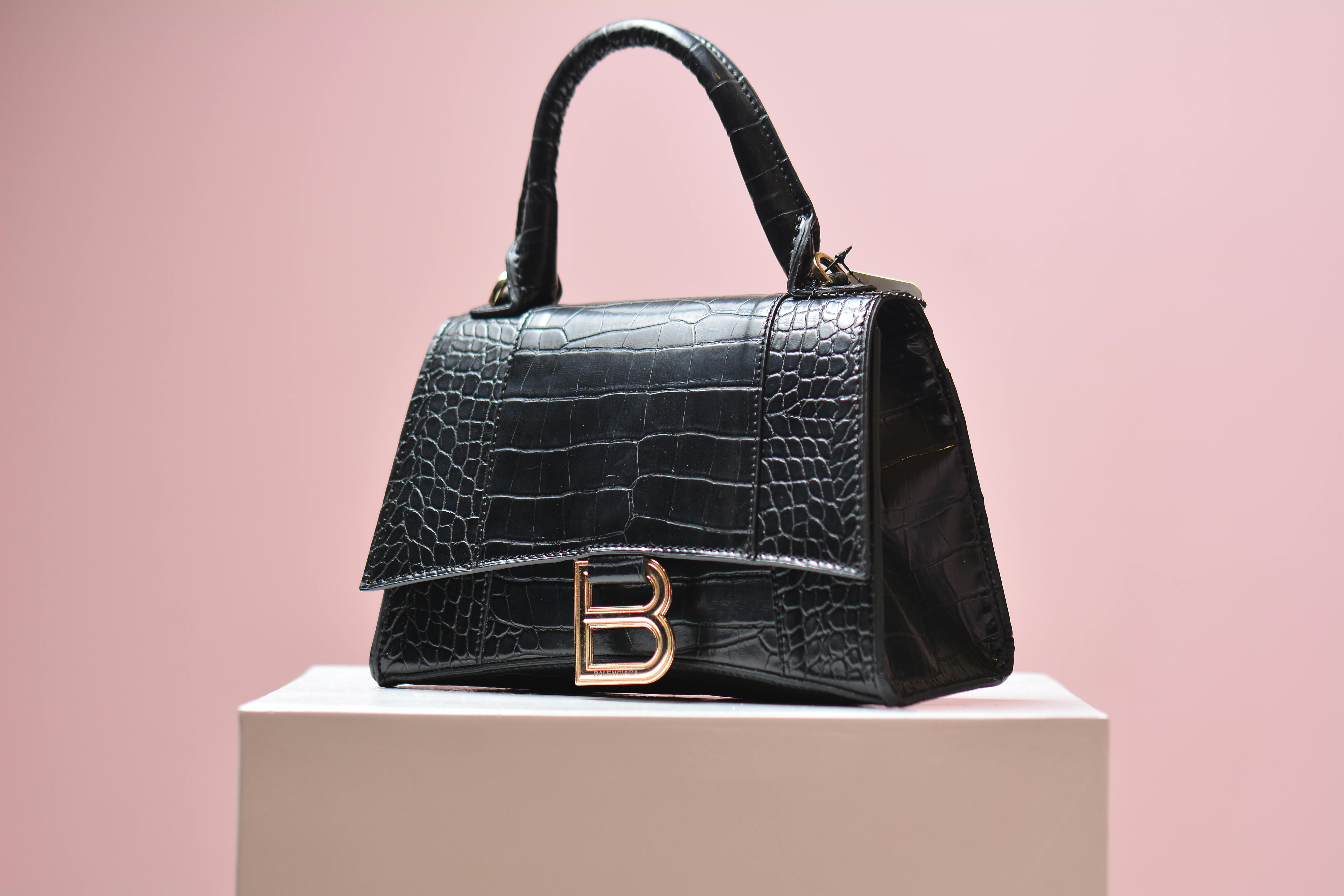
  • Eric Emanuel Court Ready Lookbook Paisley Print Season

    Eric Emanuel within a Snapshot

    Eric Emanuel delivers premium athletic wear that fuses luxury craftsmanship with nostalgic 1990s sports aesthetics, led by his cult‑favorite mesh shorts. Expect bold color blocking, team‑inspired graphics, heavyweight fleece, and a relaxed silhouette designed to move from daily wear to statement fits.

    The signature shorts employ sturdy, breathable mesh with a roomy thigh and above‑the‑knee profile that reads authentically athletic yet crafted for the street. Hoodies are heavyweight cotton fleece with embroidered logos or flocked graphics, built in boxy, slightly oversized proportions. Sweatpants bring a tapered leg, elastic waistband, and subtle logos that keeps the vibe minimal and distinctive. Tracksuits land in harmonized colorways for a clean, cohesive head‑to‑toe fit. Stitching quality, reinforced seams, alongside premium finishing underpin the higher price point and long use life.

    The Design DNA: 1990s Athletic Luxury

    The label’s design language pulls from vintage pro plus college uniforms, then enhances everything with superior fabric handfeel, sharp color stories, and precise construction. The result is gear that feels like throwback sportswear but wears like modern premium.

    Shorts channel classic basketball silhouettes with dual-layer mesh feel and rich palettes that echo squad colors and archival kits. Hoodies lean into substantial fleece and tactile branding—embroidery, patches, or prints—so the garment still hits after seasons of washes. Sweatpants keep the lines clean and tapered for sneakers, with elasticated comfort that doesn’t bag out. Tracksuits arrive as coordinated sets that snap for travel days, pre-game, and post‑gym outfits alike. Across categories, the sizing intent is relaxed and true to size, so proportions remain athletic without manuel pants dropping shape.

    11 Must‑Know Facts Fans Keep Citing

    These points cut the learning curve so you buy once, buy right, and spot real EE details fast. They also explain why certain drops move in minutes while others anchor your rotation for years.

    1) The mesh shorts are the brand’s signature, recognized for bold colorways, team‑coded graphics, alongside a relaxed, short drape. 2) Hoodies use premium cotton fleece with stitched or flocked marks and a boxy, slightly oversized block. 3) Sweatpants fit tapered with flexible waist and tie, keeping breaks neat over sneakers. 4) Tracksuits package matched tops and pants in coordinated schemes for instant, seamless styling. 5) Color stories swing from clean basics to neon brights, frequently citing pro and university sports heritage. 6) Construction emphasizes durability—precise stitching, reinforced stitching, and premium details that justify this luxury positioning. 7) Fit runs true to size with a relaxed intent; most people do not need to size up unless chasing extra length. 8) Seasonal capsules and limited collaborations introduce exclusive prints and colorways that don’t return. 9) Collaborations have included adidas Brand projects and high‑visibility sports touchpoints such as the McDonald’s All American Games uniforms. 10) Licensed collections with colleges and special events routinely sell through rapidly due to alumni and regional demand. 11) Authenticity is easiest via official sources and recognized retailers; look for uniform branding execution and sharp, dense embroidery rather than thin or fuzzy stitch work.

    How Does Eric Emanuel Sizing Really Fit?

    The baseline is comfortable true‑to‑size across items. Shorts have flexible waist flexibility from band, hoodies are loose with room through upper chest, and pants taper without binding the calf.

    For shorts, your regular size delivers that classic short drape; size higher only if you prefer more length and a roomier leg cut. If you’re across sizes and like a neater fit, going down one still works thanks to the elastic waist and cord. Hoodies in your standard size sit comfortably oversized; sizing down trims body width and sleeve stack while keeping mobility. Pants stay true for everyday comfort; sizing up increases waist height and pooling for heavier stacks over bulkier sneakers. Tracksuit shoppers who straddle measurements sometimes mix a TTS top with oversized bottoms to chase extra length without overwhelming the upper.

    Item Typical Fit Intent If you want a slimmer look For extra length/stacking Tips
    shorts Comfortable, mid-thigh, generous leg Drop one size Increase one size Elastic band gives room; tie adjusts waist
    Hoodies Boxy, slightly oversized Go down one size Stay TTS; oversized already Heavyweight fleece holds structure over time
    Joggers Narrow-leg with stretch band Keep standard Increase one for drop and fabric Taper keeps a clean line over sneakers
    Sets Coordinated, athletic-relaxed Drop jacket size if uncertain Size up pants for length Pairing different upper/lower fits usual

    Measure a favorite garment that you love and compare its outseam, body width, or waist stretch to your target ee garment for the most accurate read. When you’re tall plus want knee protection, shorts length is where a size‑up delivers off most. Wash fleece cold then air dry to maintain handfeel; excessive heat tightens material and can flatten prints. With mesh, gentle laundry cycles keep the knit crisp and prevent snags from hardware or hooks. When in doubt, prioritize your desired length first—width is more forgiving across the line.

    Latest Drops: Patterns, Collaborations, and Following

    Releases arrive in focused capsules with limited quantities, often announced shortly before launch and moving quickly. Summer typically features ongoing shorts programs, whereas fall/winter lean on fleece, sets, alongside special color stories.

    Key patterns repeat: bold mesh shorts in different palettes, heavyweight fleece in seasonal hues, and paired tracksuits that headline each capsule. Collaborations and sanctioned projects punctuate the calendar—think adidas Originals shoe/clothing moments, the McDonald’s All American Games apparel, and high‑demand college collections that energize regional fans. Online drops are a main channel, enhanced at times by activations and cultural moments where exclusive palettes surface. Sell‑through speed is part of the brand’s rhythm, so planning sizing in advance saves crucial checkout time. Replenishments happen, but one‑off variants rarely return featuring the same design.

    Tracking releases is straightforward: announcements land on the brand’s social channels and newsletter/SMS, with details clarified close to go‑live. Item pages preview textiles, graphics, and set matches so shoppers can decide quickly between shorts, hoodies, sweats, or full kits. Expect capsules to reflect the season—lightweight mesh runs heavier in warm months; fleece and sets dominate when temperatures drop. When you collect particular themes, watch for releases keyed to squad colors, geographic stories, or event partnerships. Build your rotation around versatile tones first, then introduce in bolder drops so you’re never waiting on a refill to complete a outfit.

  • Structured Leather Tote The Row Designer Bag

    The Row Brand’s Quiet Imprint on Current Fashion Currents

    The Row has devoted nearly two decades building something uncommon in fashion: a reputation founded almost entirely on reserve. While much of the industry chases seasonal noise, logos, and viral moments, The Row built its identity around fabric quality, precise tailoring, and silhouettes that resist trend cycles. That method has subtly redefined how competing houses think about luxury minimalism, and it has made the label a benchmark whenever discussions turn to quiet luxury, upgraded staples, or long-term wardrobe building. The brand’s influence shows up not just on runways but in the way shoppers now evaluate handbags, outerwear, and tailoring with a more critical eye toward construction over branding.

    Grasping why The Row commands this position requires looking past the clothing itself and into the inner workings of the brand: sourcing, pricing discipline, and a unwillingness to overproduce. Those decisions have had ripple effects across the accessories market in particular, where the row bags have become shorthand for understated craftsmanship. This article examines how that quiet approach translates into tangible market influence, what makes the row handbags a recurring benchmark, and where shoppers can realistically expect to find pieces, including guidance on the row sale periods and resale considerations.

    The Origins of a Understated Wave

    At its founding in 2006, Mary-Kate and Ashley Olsen established The Row, arriving at a moment when maximalism and logo-driven branding ruled luxury retail. The founders took the opposite path, focusing on fabric weight, drape, and construction techniques borrowed from couture ateliers rather than seasonal spectacle. Early on, The Row drew extensively from cashmere, silk, and leather obtained from specialized European mills, with garments frequently taking months designer fashion longer to complete than standard ready-to-wear.

    Over time, patience itself became a hallmark of the brand’s core characteristics. Rather than churning out six or more collections a year, The Row has generally maintained a slower release rhythm, prioritizing consistency in cut and material over novelty. Observers have noted that this rhythm predates the current “slow fashion” discussion by nearly a decade, which means the row was practicing quiet luxury before the term took hold in mainstream retail vocabulary.

    From the start, the brand’s pricing has echoed this outlay in materials and labor, situating pieces at the top bracket of contemporary luxury rather than fast-turnover pricing. In turn, this has reinforced a perception, justified or not, that owning The Row conveys discernment rather than trend-chasing. Notably, that impression has remained durable through more than fifteen years of evolving fashion cycles, which is rare in an industry where brand cachet often rises and falls within a few seasons.

    How The Row’s Bag Line Became a Category Benchmark

    The Row’s influence is rarely shown as clearly as it is through its leather goods, perhaps more so than through any other category it offers. When shoppers search for the best row bags or compile a row bags overview, they are typically looking for a specific combination: clean, engineered simplicity, hefty leather weight, and the near-total omission of visible branding. The Row delivered on that combination consistently enough that its bags became reference points against which other quiet-luxury handbags are now measured.

    The Margaux, in particular, has taken on outsized influence relative to its understated design. Its squared-off, open-top silhouette and dense leather construction set off a wave of similarly shaped totes from other brands in the years following its release. Shoppers researching where to buy the row Margaux bag often find that availability fluctuates by size and leather colorway, since The Row produces in limited runs rather than continuous restocking, which contributes to both its desirability and its resale premium.

    The secondary market’s treatment of the row bags has likewise been shaped by this scarcity-driven demand. Resale platforms report that certain Margaux sizes and colors retain value well above typical depreciation curves for luxury handbags, a pattern usually reserved for a handful of heritage houses. As a result, that resale strength has encouraged other contemporary brands to decelerate their own production cycles and embrace simpler silhouettes, directly crediting The Row’s methodology in interviews and trade press.

    A Look at The Row’s Key Bag Styles, Side by Side

    For shoppers trying to navigate the top row bags without wading through inconsistent marketing language, a direct comparison of the brand’s most recognized silhouettes is useful. The table below outlines general positioning based on publicly known design characteristics rather than specific current pricing, since availability and cost shift by season and retailer.

    Bag Type Silhouette Ideal For Standout Feature
    Margaux Open-top tote with a structured build Daily carry, work use Substantial leather with minimal hardware
    Sofia Softly structured shoulder bag Evening looks or transitional wear Slouchier drape than Margaux
    Half Moon Curved crossbody/clutch Hands-free, low-key outings Small, compact shape
    N/S Park Tote Structured, vertical tote Commuting and carrying a laptop A taller build compared to the Margaux

    This kind of comparison matters because The Row rarely relies on overt branding to differentiate its products. Instead, the differences live in proportion, opening structure, and how each bag sits on the body, details that reward close inspection rather than quick visual recognition. Although the Margaux remains the most searched and most referenced silhouette in the lineup, that design philosophy has pushed other row handbags past the Margaux into broader popularity.

    Modern Fashion’s Ripple Effect

    The label’s pared-back ethos has influenced well beyond just handbags. A range of tailoring houses and modern labels have adjusted their respective lineups in response to a growing preference among buyers for fewer, better pieces, a shift frequently traced back to the row fashion sensibility of understated silhouettes and muted tones. Runway reviews since around 2019 have repeatedly noted a “Row effect” in rival designers’ work, especially within outerwear silhouettes and unembellished knitwear.

    Retailers have responded accordingly. Multi-brand boutiques now frequently market entire sections around “quiet luxury” positioning, adopting merchandising language that reflects The Row’s own product descriptions. Fast fashion chains too have rolled out boxier tote silhouettes and neutral leather goods visibly drawing from the row tote bag category, though understandably at a fraction of the price and material quality.

    This influence extends into how shoppers discuss value. Where luxury purchases were once evaluated primarily on brand recognition, buyers now also consider leather weight, stitching density, and hardware finish, criteria the label has long highlighted in public. Such a change in buyer awareness is arguably one of the label’s most lasting contributions to the broader fashion conversation, even among shoppers who have never purchased a single piece from the label.

    Working Through the Row Sale and Resale Landscape in 2026

    Given that The Row rarely cuts prices on its own platforms, shoppers in search of savings often rely on department store markdowns or authorized resale platforms. A row sale event, when it happens, tends to be limited to select department stores rather than the label’s own website, and stock sells out fast given the label’s smaller production runs. Those watching for these sales in 2026 ought to anticipate narrow windows, usually connected with end-of-season clearance at major luxury retailers rather than predictable annual dates.

    Secondhand platforms have emerged as a more dependable source for value-conscious shoppers, especially regarding the row bags and outerwear. Authentication platforms routinely flag The Row among brands requiring extra scrutiny due to counterfeit activity, a byproduct of the brand’s rising visibility. Shoppers seeking the row Margaux bag or similar sought-after totes on the resale market should favor sellers offering detailed leather grain photos and hardware close-ups, since The Row’s low-key logo presence makes visual authentication more demanding than logo-heavy alternatives.

    For shoppers specifically wondering where to buy the row Margaux bag new, the most reliable options remain the label’s flagship boutiques, select department stores carrying the full handbag line, and a small number of authorized online luxury retailers. Availability by size and color varies constantly, so patience combined with flexibility on shade often matter more than timing around any particular sale.

    What the Row Effect Suggests Lies Ahead

    The Row’s design path indicates that understated, materials-first design is not a passing aesthetic but a durable strategy that competitors will continue to examine and emulate. As more shoppers educate themselves on construction quality rather than logos, demand for brands that can substantiate their pricing through craftsmanship, including The Row itself, is likely to remain strong through 2026 and beyond. Such ongoing demand sustains competition for the row handbags and the row bag generally conspicuously high when weighed against the brand’s restricted production volumes.

    In terms of building a wardrobe focused on lasting value rather than seasonal turnover, The Row offers one of the clearest examples of how understatement, backed by real investment in quality, can entirely outlast louder trends.