Day: October 13, 2026

  • Dubai Luxury Firm Known Across The Emirates

    Leading Fit-Out Companies in Dubai for 2026

    In Dubai, fit-out — the trade that turns a bare shell-and-core unit into a finished, working space — has grown into a specialised industry of its own Across the emirate — from towers in Business Bay to warehouses in Al Quoz, this 2026 roundup profiles the contractors that consistently handle design-and-build and turnkey delivery We have prioritised firms with genuine in-house execution, real project-management depth, and the licensing know-how that Dubai projects demand The companies profiled here work on offices, retail units, restaurants, and homes, often coordinating several trade packages at once Treat every figure here as a market-level estimate, not a quotation — each one is meant to help you frame a budget Rather than a final verdict, use it as a starting shortlist for 2026, then request scope-specific proposals from the names that fit We have also confined each description to verifiable specialty and positioning, with no invented awards, client names, or ratings

    The Real Job of a Fit-Out Company in Dubai

    Once the developer hands over the base building, a UAE fit-out contractor is responsible for everything that makes a space usable That generally includes partitions, ceilings, flooring, mechanical, electrical and plumbing works, joinery, and the final finishes Dubai requires approvals before any work starts — a No Objection Certificate from the building owner or management, then a fit-out permit from the relevant authority Depending on a unit’s location, that authority is most often Dubai Municipality, or the Dubai Development Authority and Trakhees in certain free zones and communities, with Dubai Civil Defence signing off fire and life-safety and DEWA handling utilities When the drawings are complete and correct, most of these approvals clear in roughly three to ten working days A capable contractor handles this paperwork on your behalf, and you can preview what is expected through the Dubai Development Authority fit-out permit process That regulatory fluency is often the difference between a smooth handover and weeks of avoidable delay

    Depa

    Depa, also known as Depa Interiors or the Depa Group, is one of the largest interior contractors in the region and has www.topinteriordesigncompanyindubai.com operated since 1996 Its portfolio leans heavily toward large-scale fit-out across hospitality, commercial, retail, and even marine environments Where developers and operators are handling complex, high-volume projects, that sheer scale becomes the firm’s defining advantage Depa is built to mobilise sizeable teams and coordinate multi-package delivery on landmark schemes That suits it better to major hospitality and mixed-use work than to a single small office For a large, logistically demanding 2026 project, Depa belongs on the longlist

    Bond Interiors

    Operating in Dubai since 1986, Bond Interiors is based in Dubai Industrial City It is a full-service fit-out contractor with the useful addition of in-house kitchen and joinery manufacturing That vertical integration gives it control of finish quality across office, commercial, hospitality, retail, and residential projects Clients who value bespoke joinery under the same roof as the main contractor often gravitate here The in-house workshop also helps keep custom cabinetry timelines predictable rather than at the mercy of subcontractors For fit-outs where joinery is a hero element, Bond Interiors is a logical shortlist entry

    Summertown Interiors

    With a clear sustainability agenda, Summertown Interiors specialises in office, corporate, and commercial fit-out The firm is known for LEED-certified, healthier workplaces, which fits Dubai’s 2026 direction on greener buildings With the UAE pushing toward its Net Zero 2050 goals and Dubai Municipality tightening fit-out guidelines, that expertise is increasingly practical rather than optional For corporate tenants who want wellness and energy performance built in from day one, Summertown is a strong candidate Its focus is narrower than the giant contractors, which can be an advantage for workplace clients If certified, sustainable office space is your priority, this is a sensible place to start

    Swiss Bureau Interior Design

    Founded in 2003, Swiss Bureau Interior Design works on a design-and-build model Its core strength is corporate workplaces, though it also handles commercial, hospitality, and residential interiors The design-and-build approach means a single team carries a project from concept through construction, which simplifies accountability That single-point-of-contact structure appeals to companies that would rather not coordinate a separate designer and contractor Swiss Bureau sits comfortably in the mid-to-upper corporate tier of the Dubai market For an office fit-out where design and delivery come from one house, it is worth a conversation

    USBC Interiors

    USBC Interiors is a fit-out contractor geared to office and commercial spaces In-house delivery and a reputation for on-time completion are what its positioning centres on Where a hard deadline drives the whole project, that emphasis on schedule reliability matters a great deal By keeping trades in-house rather than heavily subcontracting, it can reduce the finger-pointing that slows some fit-outs USBC is a mid-market commercial specialist rather than a hospitality or luxury villa name Where predictable timelines top your 2026 priority list, it deserves a place on the shortlist

    MGM Interiors

    Across office, commercial, and residential projects, MGM Interiors offers concept-to-handover fit-out The single-provider model is designed to close the gaps between design intent and built reality That makes MGM a practical option for clients who want one accountable partner from first sketch to final snag With residential capability too, it can pivot between workplace and home projects Like several mid-market Dubai contractors, its strength is coordinated, straightforward delivery rather than headline concept work Where you want a clean, managed fit-out without excessive complexity, MGM is a credible candidate

    Fit-Out Costs and Timelines in 2026

    Because budgets swing widely with location, specification, and how much bespoke joinery a space demands, treat the numbers below as 2026 market estimates rather than firm pricing As a rough guide, office and corporate fit-out usually runs around AED 220 to 650 per square foot, with most mid-range projects landing near AED 280 to 550 Mall retail usually sits in the AED 350 to 700 band, while food and beverage ranges from roughly AED 400 for casual concepts to AED 1,500 or more for high-concept venues Residential fit-out spans an even wider range — from about AED 75 to 250 for standard work up to AED 600 to 1,200 and beyond for luxury interiors Timelines are equally scope-dependent: a small office or retail unit might take four to eight weeks, while larger schemes run three to six months To help you frame a first budget and programme, the table below summarises typical 2026 ranges

    Space category Est. cost per sq ft (AED, 2026) Typical programme Primary approvals
    Office / corporate 220–650 4–8 weeks (small) to 3–6 months (large) Dubai Municipality or DDA, plus DCD
    Retail (mall) 350–700 4–8 weeks Mall management, plus DM or DDA
    F&B 400–1,500+ 6 weeks to 4 months DM, DCD, plus food-safety
    Residential fit-out 75–1,200+ 6–14 weeks DM or Trakhees, plus NOC

    How to Choose a Fit-Out Partner in Dubai

    Rather than chasing the biggest name on the market, start by matching a contractor’s core specialty to your space type A LEED-focused office specialist and a large hospitality contractor solve very different problems Ask to see in-house capabilities, because firms that self-perform joinery and MEP tend to hold quality and schedule better Confirm that the team has recent experience with your specific authority, since approval routes differ across Dubai’s zones and free zones Treat every early number as an estimate and insist on a detailed scope of works before comparing quotes Finally, weigh communication and project management as heavily as price, because in fit-out, coordination is what actually protects your deadline

    The Bottom Line

    In 2026, Dubai’s fit-out market rewards clients who match a contractor’s real strengths to the demands of their space Whether you are delivering a corporate headquarters, a restaurant, or a family home, the right partner shortens the programme and keeps you compliant The six contractors profiled here all carry clear positioning, from region-scale delivery to sustainability-led workplaces Remember that every price and timeline in this guide is a 2026 market estimate, not a fixed quote from any company Always secure your NOC and fit-out permit, and confirm scope and programme in writing, before any work begins Given the right team, even a demanding shell-and-core unit can be handed over on time and to standard

  • Explore Saint Laurent Bags YSL Sac de Jour

    The Row Margaux, Soft vs Original: The Specifications Compared

    Ask five different people how the Margaux and the Soft Margaux differ and you will hear five confident, conflicting answers. It is understandable confusion, given that the two share a name, a silhouette and a set of signature buckles, and that the shopping situation around them changed sharply in 2025. What follows is specification-led rather than impression-led — measurements, materials, closures, linings and observed prices, placed against each other line by line. The material here rests on what the brand states on its product pages plus prices observed in the market in 2026, which remain observations rather than an official price list. Any figure that is not reliably documented is flagged as such rather than invented, as the Margaux is the single most misquoted bag in the label’s catalogue. In short, the Soft is not a cheaper or lazier Margaux; it is the more equipped of the two. The long version is below.

    Two Bags Under a Name Through a Complicated Year

    The original Margaux is the flagship the brand built its handbag reputation on, an unlined-looking tote whose structure derives from leather thickness and panel shaping rather than from stiffeners. Related but specified separately, the Soft Margaux arrived with its own construction details and its own product pages. The original was withdrawn from third-party retailers during 2025, and the brand’s own webstore now presents the Soft Margaux and the Margaux Shoulder in its place. Its discontinuation has been widely reported, but it has never been officially confirmed by the brand, and that distinction is not pedantry when you are deciding what to pay on the secondary market. What that means in practice is simple: the Soft Margaux is buyable new, and the original is a resale proposition. Comparing the two therefore means setting a current product against an archive one, which changes how much weight the specification differences deserve.

    The Spec Sheet, Side by Side

    Isolating the features the Soft version adds and checking them one at a time is the cleanest way to see the difference. Five features in ysl purses all, and collectively they shift how the bag behaves in daily use rather than how it reads from across a street. Protective metal feet keep the base off the ground. An interior toggle closure hands the open-top shape a way to close. Belted side gussets make the profile adjustable, cinched or released. Adding a zip pocket and card slots turns a deep cavity into a structured interior. The table sets these out with the observed 2026 figures for the versions sold new.

    Specification detail Soft Margaux 10 and 12 Original Margaux
    Protective metal feet Fitted as standard Absent from the specification
    Interior toggle closure Included Absent from the specification
    Belted side gussets Included Not part of the specification
    Zip pocket Present on the 12 Not in the specification
    Card slots A single slot on the 10, two on the 12 Not part of the specification
    Price, observed 2026 $3,650 and $4,350 Available on resale only

    Materials, Outside and In

    The Soft Margaux 10 and 12 are each given as 100 percent calfskin in a matte grained finish, with cotton herringbone lining in both. Much about the brand’s priorities sits in that lining, because cotton herringbone inside is a textile decision rather than a branding one, holding shape without the plastic feel of a coated logo jacquard. The Margaux Shoulder 12 goes further still with a 100 percent lambskin lining, which is softer, marks more readily and costs considerably more to work with. Exterior materials across the wider family include grained calfskin, saddle calfskin, suede, canvas paired with leather, and nylon, which means a Margaux is not automatically a smooth-leather bag. Made in Italy is stated on the brand’s own product pages for the Soft Margaux 10 and 12, and for the Margaux Shoulder 12 as well. In the hand, suede and canvas versions read differently, and on resale they behave differently too.

    Buckles, Hardware and Handles

    Hardware on the Soft Margaux is palladium-plated, and it is finished matte rather than polished, in keeping with the rest of the collection. The signature element on any Margaux is its pair of adjustable side buckles, and on genuine examples the buckles are engraved, as are the base feet where feet are fitted. The buckles are functional rather than decorative, since they are what let the belted gussets change the width of the bag. A 5-inch handle drop is common to the Soft Margaux 10 and 12, which puts it in hand-carry or crook-of-the-elbow territory rather than shoulder territory, and both include a removable shoulder strap to cover the difference. The Margaux Shoulder 12 discards that arrangement for elongated tubular handles and narrowed gusseted side panels, designed from the outset to sit under the arm. If you want a single The Row bag that works hands-free without a strap, the Shoulder is the pick rather than the Soft.

    Reading the Sizes and the Numbers

    The name’s number gives nothing more than the bag’s width in inches, and that makes the family easier to navigate than most. At 10 x 7 x 7.5 inches, the Soft Margaux 10 is genuinely compact yet unusually deep for its footprint. At 12 x 9 x 7.5 inches, the Soft Margaux 12 keeps the depth and adds two inches of width and two of height, which is why most buyers settle on it for daily use. The Margaux Shoulder 12 measures 14.75 x 9 x 5 inches, so despite carrying a 12 in its name it is the widest and the shallowest of the three, because the number refers to the bag’s stated size rather than its maximum external span. There is a Soft Margaux 15 in circulation, and Selfridges has carried a Margaux 17 in a leather-and-canvas execution. Neither of those two has a retail price that can be verified, so treat any figure quoted for them as an asking price rather than a documented one.

    What They Cost and How Resale Behaves

    In observed 2026 market pricing the Soft Margaux 10 sits at $3,650 and the Soft Margaux 12 at $4,350, with the Margaux Shoulder 12 at $4,900. Those figures set the whole family in the collection’s top band, next to the India and Agnes top handles and the Marlo totes. On the secondary market the picture is unusual: the Rebag CLAIR 2025 report put the Margaux Tote at 107 percent value retention, part of a brand-level figure of 97 percent that pushed the label into the report’s unicorn tier for the first time. Softer secondary figures point in the same direction: the Margaux is reported to sell frequently at around 40 percent above retail, Fashionphile resale is reported up roughly 44 percent year on year, and The RealReal reports pre-owned Margaux sales averaging about 15 percent over original retail. One major resale authenticator sets new Margaux bags in the $5,000 to $9,000 range, and that is a useful sanity check, because anything advertised in the hundreds is almost certainly counterfeit. None of this is investment advice, and it is worth remembering that canvas, nylon and seasonal-colour versions discount rather than appreciate.

    Which Version to Choose

    If you want the bag you can actually purchase new, with a warranty of availability and the fuller specification, the Soft Margaux is the straightforward answer. Choose the 10 if you carry little and want the shape at its most sculptural, and the 12 if you want a working bag, since the second card slot and the zip pocket only appear at that size. Take the Margaux Shoulder 12 if you carry under the arm rather than in the hand, since its tubular handles and narrowed gussets are built for precisely that. Pursue the original on resale only if you specifically want the archive version and you are comfortable buying without metal feet, a toggle closure or interior organisation. Whatever you pick, note that the brand operates no public authenticity coding system at all, so verification rests on stitching, hand-painted edges, stamp placement and the weight and finish of the hardware. Buy black or neutral calfskin if resale matters to you; buy whatever colour you like if it does not.

    1. Start with hand-carry or shoulder, because that separates Soft from Shoulder straight away
    2. Then fix size, with the 10 for occasion carry and the 12 for daily use
    3. Material follows, and remember that canvas and seasonal colours discount on resale
    4. Only after that should an original on the secondary market be considered
  • Bottega Mesh Shorts Trends 2026 Design and Details

    The Ascent of Bottega Desires Took Hold in the Streetwear Scene

    Streetwear has perpetually fed off tension — straddling rarity and reach, between old-world craftsmanship and gritty street edge. Bottega Desires lives right at the center of that tension. The brand has turned into one of the most debated names in internet style communities during the last two years, largely because it borrows aesthetic signals from premium design labels while pricing itself for a significantly larger audience. Search volume around terms like “what is bottega desires” has grown steadily since 2024, which tells you this isn’t a short-lived moment confined to one Discord server or subreddit. Shoppers are working to understand what the brand is, where it fits, and whether it’s worth buying into.

    This article lays out what Bottega Desires really brings to the table, how its core categories — shorts, shirts, hoodies, and jorts — have caught on, and how the brand measures against the luxury house whose name it nods to. This piece also covers genuine reviews and community sentiment, because that’s at the end of the day what powers repeat buying in this space.

    What Exactly Is Bottega Desires, Really?

    Bottega Desires is a streetwear brand that has centered itself on bold graphics, heavyweight fabrics, and a stylistic outlook that nods to elevated fashion forms without presenting itself as a luxury house itself. The name itself sparks curiosity — and confusion — which is part of why “what is bottega desires” continues to be a popular search query. It is not an official line, sub-label, or collaboration from Bottega Veneta. It’s an self-standing streetwear label that has shaped its image adjacent to luxury aesthetics.

    A small set of repeatable categories — graphic hoodies, oversized shirts, cargo-style shorts, and denim jorts — make up the brand’s catalog. Every one of these lines typically ships in limited runs, a strategy that resembles the release-drop model championed by labels like Supreme and Fear of God. Restricted quantities generate urgency, and urgency is currency in streetwear. From 2025 onward, community threads suggest that in-demand hoodie colors have been snapped up within days of restocking — further stoking more searches and closer scrutiny.

    Shorts, Shirts, Hoodies, Jorts: urban shorts The Core Lineup

    Within the community, every one of these four lines has earned its own standing, and together they carry most of the brand’s visibility.

    • The Bottega Desires shorts line offer a easygoing above-the-knee cut made with weightier cotton blends. They’re frequently paired with the label’s hoodies in “outfit-check” posts on Instagram and TikTok, and this has helped establish the hoodie-and-shorts combo as a defining look for the label.
    • The label’s shirt pieces : Largely graphic tees and button-ups with roomy fits. These tend to be the starting point for new customers because they’re priced lower than outerwear pieces.
    • Bottega Desires hoodie styles : The flagship category. Substantial fleece, dropped shoulders, and graphic-forward front graphics distinguish this line, and it’s the segment most commonly referenced in reseller markups.
    • The Bottega Desires jorts line arrived as a newer addition, riding the broader denim-shorts resurgence in menswear during 2024 and 2025. Frayed hems and loose fits are standard here.

    What connects them isn’t a single fabric or cut ; it’s a steady design vocabulary of bold typography, muted base colors, and streetwear-standard generously cut proportions. That cohesion is one reason the brand has built repeat customers rather than impulse buyers chasing a single viral piece.

    Reviewing Bottega Desires: The Real Feedback From Buyers

    Any honest bottega desires review has to separate hype-driven excitement from level-headed feedback. On forums and resale platforms, three themes surface repeatedly. First, fabric weight is consistently praised — buyers describe the hoodies as noticeably heavier than run-of-the-mill fast-fashion streetwear, frequently compared favorably to mid-tier labels in the $150–$250 range. Next, sizing runs roomy by design, and the majority of reviewers advise going true-to-size rather than ordering a size larger, since the cuts already include extra room. Finally, turnaround and restock timing draws split opinions ; some buyers describe smooth fulfillment, while others note that scarce drops are gone fast enough to demand checkout quickness comparable to sneaker releases.

    All things considered, sentiment across 2025 buyer discussions leans favorable for build quality and design, with the most common criticism being stock levels rather than product flaws. This is a meaningful distinction. A label with quality-control issues risks losing customers; a label short on inventory typically deals with the reverse issue : demand outpacing supply, which tends to amplify hype rather than diminish it.

    Bottega Desires Compared to Bottega Veneta: Setting the Record Straight

    This is the question every newcomer ends up googling, and it merits a clear-cut response. Bottega Veneta is a premier Italian luxury label founded in 1966, known globally for intrecciato leather weaving, and now operating under Kering as one of the most valuable names in high fashion. Bottega Desires is a standalone streetwear brand with no corporate affiliation to the Italian label. Clearly, the naming overlap has sparked curiosity — and probably extra clicks — yet the goods, pricing, and business structures couldn’t be more different.

    If you spot that phrase online, it’s typically a reflection of the mix-up this piece is meant to resolve, not an indication of an actual partnership between these two brands. Comparing them isn’t really a level playing field, but it does help explain why so many newcomers land on Bottega Desires showing up for one thing only to encounter another.

    Comparison Point Bottega Desires Bottega Veneta
    Brand category Self-run streetwear brand High-end Italian fashion house
    Established Surfaced from streetwear scene circa early 2020s 1966
    Primary product range Hoodies, shirts, shorts, jorts Leather goods, ready-to-wear, footwear
    Hallmark style detail Eye-catching graphics, roomy streetwear silhouettes Intrecciato woven leather
    Distribution model Limited drops, direct-to-consumer Global flagship stores and select retail partners
    Corporate ownership Independent The Kering Group

    How Bottega Desires Won Over Streetwear Culture

    The streetwear world has a long-standing habit of co-opting high-end cues and adapting them to suit a younger, more digitally native audience. Labels thrive when they introduce a touch of ambiguity to spark conversation without misrepresenting what they are. The Bottega Desires line lean into that space by matching a luxury-tinged name against pricing and distribution strategies that belong squarely to streetwear culture — platform-driven marketing, scarce releases, and community-fueled hype on platforms like TikTok and Instagram.

    On top of that, there’s a broader cultural current at play. Starting around 2023, men’s fashion has experienced a comeback of loose, functional silhouettes — cargo shorts, distressed denim, boxy hoodies — moving away from the reign of slim fits of the prior ten years. Landing at a moment when loose silhouettes were already trending, the brand’s shorts and jorts fit neatly into that shift instead of attempting to spark it themselves. In streetwear, timing frequently matters just as much as design.

    Should You Buy Into the Bottega Desires Clothes Trend?

    The straightforward answer comes down to what you’re after. If you’re chasing time-honored luxury craftsmanship with a resale value tied to a decades-old house, Bottega Veneta remains the clear choice, at a proportionally higher price point. Should you prefer streetwear that draws on bold, fashion-forward design cues at a more attainable price, with dense, sturdy fabric and a strong community following, Bottega Desires clothes have established a genuine niche. In particular, the hoodie line has earned a status robust enough that it’s often brought up in the same breath as more well-known streetwear names when comparisons come up.

    When buying for the first time, customers should stick with standard sizing, watch for official restock announcements to avoid inflated resale prices, and recognize the brand for what it truly is — a streetwear label leaning on a distinctive name and a design language in step with 2026’s relaxed-fit menswear scene, as opposed to a luxury alternative. Understanding that distinction is really the whole answer to “what is bottega desires” in one sentence: it’s a streetwear brand that earned its own following, separate from the name it echoes.

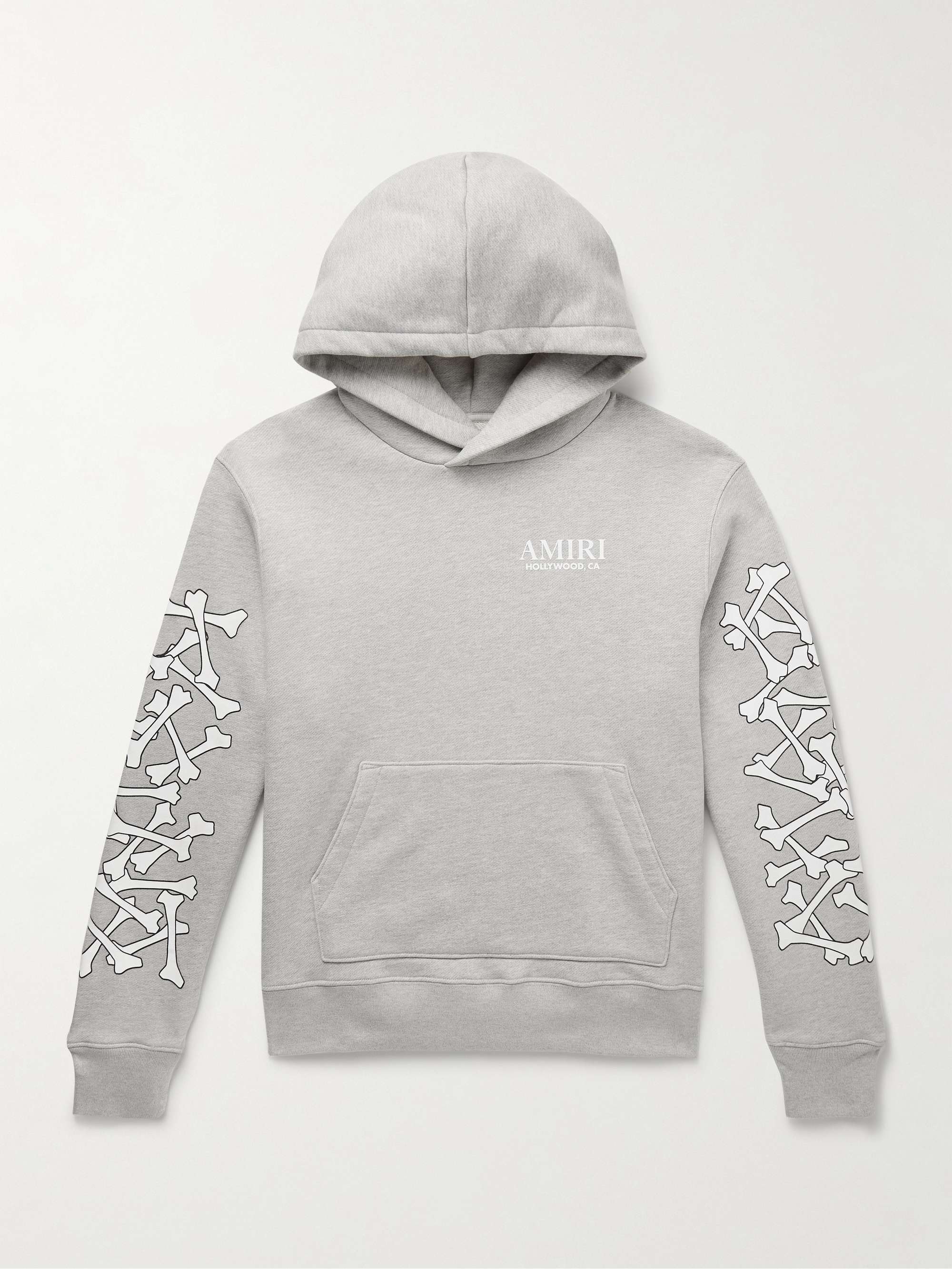
  • Amiri Shorts On Sale Now MA Logo Signature

    AMIRI on Resale: Where Value Holds and Where It Slips

    Read what follows as observed secondary-market behaviour and not investment advice, because nothing here should be taken as a forecast of returns. These observations come from asking prices and public listings seen on resale platforms in 2026; the samples are modest and the readings are directional at best. AMIRI sits in an unusual position on resale: in demand enough to sell steadily, yet discounted heavily through authorised retail, which caps what anyone will pay secondhand. Hundreds of listings titled amiri jeans, amiri hoodie, amiri men or simply amiri sit on the larger platforms at any given moment. What emerges is consistent, and slightly deflating for anyone who hoped clothing might behave as an asset. Most pieces sell below retail, a minority hold close to it, and a small number of genuinely scarce items do better than that. The rest of this piece is a map of that terrain, not a price guide.

    Where the Secondary Market Sits

    Most of the volume concentrates in a handful of venues, and each has a different centre of gravity. Denim depth is held by Grailed, which is also where model-specific browsing actually works, carrying dedicated pages for the MX1, the MX2, the Thrasher and the Skel Top. StockX is the sneaker-shaped venue, publishing release dates and original retail figures alongside current bids, which makes it the only place where price history is legible. Vestiaire Collective and The RealReal skew towards womenswear, outerwear and handbags, and both run authentication steps of their own. Meaningful quantities sit on eBay, Poshmark and GOAT, none of which dominates a category. The venue matters nearly as much as the garment, since a hoodie priced sensibly on a denim-heavy platform can remain unsold for months. Search here happens by model name, which makes a listing without the model impossible to find.

    What amiri jeans Actually Fetch

    Use the MX1 as the reference point: it is the signature jean and the most listed model by a considerable distance. Observed asking prices and sales on the largest denim platform ran roughly $400 to $840, with the bulk clustering somewhere around $480 to $650. Set that against an observed retail figure of $1,090 and the picture is clear, because standard https://amiri-clothing.net/ MX1s resell materially below their original price. At the low end of that range sat suede and other unusual-material variants, which points towards specialised materials depreciating harder rather than commanding a premium. At an observed $750 the Stack is the entry point to core denim, and it follows the same shape one level down. None of this makes the jeans a bad buy; it makes them clothing rather than something that stores value. Because the sample is small and the venue is peer-to-peer, these are spans at best rather than valuations.

    Sneakers Are a Different Case

    Footwear is the category where resale mechanics are best documented, largely because sneaker platforms publish release and retail history. The Skel-Top Low, the brand’s own house signature sneaker, carried an original retail of $590 at an August 2020 release and now shows an observed price of $650 in 2026. Multiple colourways trade actively, but standard ones generally do not sustain a premium over retail. A luxury sneaker still in production and restocked in familiar colours will ordinarily behave exactly that way. Limited colourways and collaboration footwear are the exception and behave more like scarcity-driven products. Do not read the Skel-Top across to the Skel Court or the Stars Court; they are separate silhouettes with different appliqués and different observed prices. In this line the MA-1 is a sneaker, not a bomber jacket, and confusing the two leaves mispriced listings on both sides.

    Observed Asking Prices Beside Retail

    The table gathers the figures used above so the gap between primary and secondary pricing is visible in one place. Every number is an observed market listing from 2026 rather than an official price list, and the resale column gives ranges seen on public platforms rather than guaranteed outcomes. The sample sizes behind those ranges are small, and asking prices are not the same thing as completed sales. Far more than any brand-level generalisation, it is condition, size and colour that move individual outcomes. Sizes at the extremes of a run tend to sit longer, and that drags their asking prices down over time. Take the right-hand column as a loose band, and expect plenty of individual listings to fall outside it.

    Item Observed retail Observed resale behaviour
    MX1 jean $1,090 Roughly $400 to $840, bulk at $480 to $650
    Stack jean $750 Below retail as a rule
    Skel Top Low $650, against $590 at the 2020 release At or near retail, seldom above in core colours
    Skel Court Hi $690 Thin listing volume, generally under retail
    MA-1 sneaker $799 Below retail in standard colours
    MA Core Logo Hoodie $650 Well below retail, high supply
    Women’s Baggy MX3 $990 Limited data, thin listing volume
    Ryder Boot $1,090 to $1,290 Under retail, and condition-sensitive

    What Holds Value Best

    What the pieces that resist depreciation have in common is that reproducing them at volume is hard. Heavily worked denim heads the group, crystal-embellished, studded, patchwork and hand-reconstructed, with visible labour and something close to a one-off feel. The second group is runway and collaboration items, of which the February 2022 collaboration with the artist Wes Lang is the clearest example. Early archive-era pieces, made before the Paris Fashion Week debut in 2018, form a third group, since supply from those years is genuinely scarce. Footwear repeats the pattern: limited colourways and collaboration models hold better than the core palette. The common thread is scarcity plus labour, and neither of those describes a seasonal logo product. What is described here is an observed pattern and not a rule, so any individual listing can contradict it.

    Where the Drop Is Steepest

    At the other end sit the items that are produced in the greatest numbers and discounted most aggressively at retail. Losing the most ground are core logo T-shirts and standard logo hoodies, which are high-volume, heavily counterfeited and routinely marked down while still current. Standard-wash core denim follows, precisely because it is never out of stock for long and a buyer can always wait for the next sale. Once a piece reaches an off-price channel while still recent, its ceiling is effectively public, and resale buyers price against it. Widely produced colourways also compete against one another on the same platform, which drags asking prices down. With thinner comparable data behind them, womenswear and kids’ listings tend to sit longer rather than clear at a stable number. If you are buying to wear, this group is where the secondary market is genuinely useful.

    What Sets the Floor

    The single structural driver behind all of the above is that authorised retail discounts amiri clothing visibly and often. Multi-brand retailers show observed in-season reductions in the region of forty to seventy percent, and past-season stock then appears through off-price arms of established retail groups. A jean listed at $1,345 seen at $673, or a varsity jacket listed at $2,310 seen at $1,155, sets a public reference that every resale buyer can find. For a piece still available new somewhere, no secondary seller can price above that floor. Counterfeit density adds a second drag, because buyers discount for authentication risk even when a listing is genuine. Verification from the brand extends only to products bought directly from it or through an authorised stockist partner, and it states plainly that it cannot authenticate items bought outside those channels. Markets price that gap in, which is one reason resale sits where it does.

    How to Read These Numbers

    Every number here is an observation, taken from a small number of public listings at a single moment in 2026. An asking price is not a sale, a sale is not a trend, and a handful of listings is not a market. What you have read is not investment advice; no return is being predicted, and clothing should not be bought on the expectation that it will appreciate. Negotiation and expectation-setting are the reasonable uses for this material, and knowing that a standard MX1 clusters well under retail is worth more than any forecast. If you are selling, name the model, photograph the interior labels, and price against completed listings rather than against optimistic ones. The arithmetic for anyone about to buy amiri online secondhand is authentication risk against discount, because provenance is what actually protects you. Buy what you want to wear, and treat any resale upside as an accident rather than a plan.

  • Watch Play Drama Stories Now Romance Drama Hits

    Nobody Pays for Episode One

    Downloading any short drama app in the major stores is free, and that is the first thing to understand about how they make money. The revenue turns up later, one unlock at a time, from viewers already three cliffhangers deep before any price appeared. Sensor Tower pegged the category’s worldwide in-app revenue at https://playdrama.org/series/golden-feathers/ about $750M in the first quarter of 2026, with full-year 2025 around $2.8–3B. It all came from coins, passes and memberships sold inside free apps. The mechanics are not hidden, though they sit across a store listing, a purchase sheet and an unlock prompt you are in no mood to read. What comes next is a walk through all three, using figures the companies publish themselves.

    What a Free Episode Really Means

    That free block at the start of a series is a sampler with a calculated edge. Only one major app publishes a number, ReelShort: its blog has the first 5 to 15 episodes as usually free, and TheWrap reported the first eight in 2024. Most apps do not publish the count, so any number you read elsewhere is a third-party guess. The search people type is is reel short free, and the answer there and elsewhere is the same, partly and only at the start. Each episode runs one to two minutes and a series can hold 20 to 100, so fifteen free ones may be twenty minutes of a four-hour story. The free block is built to get you invested, not to get you finished.

    The Way the Coin Economy Works

    Coins are a form of scrip. You buy them with money, episodes are priced in them by the app, and the company sets the rate between the two. On ReelShort’s blog an episode is put at about 60 coins, with packs listed at $4.99 for 500 coins, $9.99 for 1,000 plus 150 bonus, $14.99 for 1,500 plus 300 and $29.99 for 3,000 plus 750. GoodShort’s listing in the US App Store runs $4.99 to $24.99 for 500 to 2,500 coins, so a coin’s entry price is close across two separate publishers. My arithmetic brings out the pattern the packs are built around: at 60 coins an episode, 500 coins covers eight and strands 20, a remainder too small to spend on anything except more coins. One-time purchases on ShortMax run from $3.49 to $24.99 and My Drama coins from $4.99 to $24.99, but neither publishes coins per pack, so no per-episode price can be worked out beforehand.

    Earning Coins Rather Than Buying Them

    Every app dangles a free route, and its terms repay a careful read. On ReelShort, a single rewarded ad unlocks two premium episodes and a seven-day check-in streak earns 100 or more coins. Taken together, a full week of check-ins buys under two episodes at the 60-coin rate. The ad route is the quicker one, but daily ad caps are not published, so how far it can carry you is unverified. Other apps push check-ins and ad unlocks too, and publish neither the amounts nor the caps. The intent is clear: earning works, and it is paced so that impatience is always the costlier option.

    The Coins That Expire

    Most of these apps hold two kinds of coins, and the two behave in different ways. ReelShort’s blog sets the rule out plainly, that free reward coins usually expire while paid coins do not. Every bonus becomes a small deadline that way, a mechanic loyalty schemes have used for decades now. My Drama’s terms forfeit coins after 12 months of account inactivity and state that coin purchases are final. Those same terms give EU and UK users a 14-day withdrawal right, which is law, not generosity. The rule that follows is to spend earned coins first and to buy the large packs only once you are sure you will finish.

    Where the Paywall Comes Down

    The paywall’s placement is the product. Episodes end on a reversal or a reveal every 60 to 120 seconds, and the unlock prompt is timed to one of those rather than to a natural break. That ranks as the most common complaint about the category, alongside auto-renewing weekly passes and coin prices that seem to creep up. The App Store reviews for ShortMax carry both, objecting to episodes priced at up to 60 coins and to the absence of any up-front total for a series. No drama app shows you that total before you start, which a cinema ticket always does. You are not deciding whether to spend $30 on a story, but rather deciding forty separate times to spend 60 coins on the next 90 seconds.

    Passes, Memberships and the $19.99 Week

    A time-based pass is the alternative to coins, and the industry has converged on one price. A pass on ReelShort, ShortMax, DramaWave, GoodShort and My Drama costs about $19.99 a week in the US App Store, as of September 2026, all renewing automatically. Alongside it sit cheaper tiers: ShortMax lists a Weekly Pass Pro at $19.99 and $9.99, GoodShort’s weekly VIP starts near $5.99 and DramaWave’s at $7.99. The shape at DramaBox is different, with renewing memberships at $5.99, $17.99 and $19.99 and no statement of what each tier unlocks. DramaWave carries the only verified monthly price in these listings, at $36.99. What matters is the interval rather than the number: a weekly pass renews about 52 times a year and a monthly plan 12, and forgotten renewals cause most of the complaints. Price varies by country, platform and promotion, and it changes without notice.

    Every Charging Model Side by Side

    Models rather than apps are what the table sets out, because most apps run several at the same time. Every price is a US App Store figure as of September 2026 and is a snapshot. Where the word unverified appears, the companies do not publish the figure and third-party guides are estimating. The coin arithmetic is mine, from the published pack sizes and ReelShort’s 60-coin episode. Nothing here recommends one model over another, since the cheapest depends on how quickly you watch.

    Model What it does The cost The catch
    Free opening episodes The opening block unlocks free Nothing Only ReelShort publishes a count, 5 to 15; it ends mid-cliffhanger
    Ads for rewards Watch an ad, unlock episodes Time, not money ReelShort gives two episodes an ad; daily caps unverified
    Daily check-ins Open the app each day for coins Nothing A seven-day ReelShort streak gives 100+ coins, under two episodes
    Packs of coins Buy the coins, spend about 60 an episode ReelShort $4.99–$29.99; GoodShort $4.99–$24.99, covering 500–2,500 coins; ShortMax $3.49–$24.99; My Drama $4.99–$24.99 Each pack leaves a leftover too small to spend
    A weekly pass Seven days of all-access, auto-renewing About $19.99 across ReelShort, ShortMax, DramaWave, GoodShort and My Drama; lower tiers from about $5.99 Renews roughly 52 times a year until cancelled
    Tiered memberships Several renewing plans side by side DramaBox at $5.99, $17.99 and $19.99 The listing shows prices, not inclusions
    Monthly plans One renewal each month, not four DramaWave, at $36.99 The only monthly price verified here; still auto-renews
    Free app The app claims it charges nothing Listed as free The claim is GreatShort’s own store listing, unverified by us

    How to Work Out What a Series Will Cost You

    Not one app publishes what finishing a series costs, and any article that gives you a figure has estimated it. You can put together the estimate yourself in four steps. Open the series page, note down the count of episodes and take away the free opening block, falling back on ReelShort’s 5 to 15 where no number is given. Multiply the remainder by the coin price shown in the unlock prompt, around 60 where it is published, and turn that into dollars at the pack you would realistically buy. Now run the second calculation, since a pass is priced by time, not by episode: count the days you would need and set that against the weekly price. The two totals rarely come out close, and which wins depends on your viewing speed, and that is why the apps sell both.

    What the Design Is Really Doing

    Read the mechanics together and a shape appears. The free block is sized to create investment, the packs sized to leave a remainder, the reward coins set to expire, with the pass sold in the shortest interval a store will bill over and over. On its own none of it is deceptive, and all of it is disclosed somewhere. The useful habits are unglamorous: read the in-app purchase list before installing, take a shot of the price sheet, and remember that deleting an app never cancels a subscription, which happens in store settings instead. Anything promising unlimited coins, modded versions or coin generators is worth avoiding, since those are unofficial and unsafe rather than smart. Viewed carefully, short dramas can cost you nothing at all for weeks. Left on autopilot in 2026, a single forgotten weekly pass silently outspends a mainstream streaming subscription several times over.

  • Marc Jacobs Iconic Bags Style Guide Smart Shopper Tips

    How we chose these twelve

    A documented current style and a price checked on marcjacobs.com on 29 September 2026 are what every pick had to meet. Hype plays no part in the ranking, because no reliable aggregate marc jacobs accessories customer rating exists for these bags. The order rests on how many people a bag genuinely works for, which is a fairer way to rank the best marc jacobs bags. US dollars in the US is the currency, and they vary by country and change without notice. The label is Marc Jacobs, plural, but searches for “marc jacob” land here too. These are the top marc jacobs bags measured by fit, not by fame.

    1. The Canvas Medium Tote Bag

    About $198, and no first purchase is more obvious. The spec is cotton canvas, a top zip, one interior zip pocket and two slip pockets, at 13in by 6in by 11in. On the shoulder or across the body, either works, because of the removable adjustable webbing strap. Oversized block-letter branding that reads from across a platform is the standout detail. The warranty excludes fading, stains and scratches, and the brand says the canvas is intended to fade and relax over time. Best first Marc Jacobs bag, as long as you accept that it will not stay pristine.

    2. The Snapshot

    About $325, the bag most people mean when they picture the brand. Saffiano leather, a faille lining, a dual top zipper and an included dust bag complete the package. Measuring 7in by 2in by 4in, it makes a phone, cards and keys the honest capacity. You can wear it crossbody over a coat, because the removable webbing strap runs 57in with a 27in drop. The signature double-J hardware, plus the tricolor blocking, is the detail that stands out. Best all-day crossbody bag, and the strongest single case for calling something the best marc jacobs bag.

    3. The Canvas Large Tote Bag

    About $228, and that is the one to buy if your bag doubles as a work bag. At 17in by 6in by 13in with a 9in handle drop, it takes a laptop and a lunch together. Construction matches the Medium: cotton canvas, top zip, one interior zip pocket, two slip pockets. One catch counts more than any other here, and it is easy to miss online. Not included on the Large is the removable crossbody strap that the Crossbody, Small and Medium sizes carry. Best for commuting on foot, less good if you need both hands free.

    4. The Leather Medium Tote Bag

    About $498, the one to take if the shape has to last. Full-grain leather holds a chunky top zip, debossed branding and multiple inside pockets. Carry is flexible, because it has top handles plus an adjustable removable crossbody strap. Colors currently listed go from Black and Camel to Hot Pink, Pool and Daisy Yellow Multi. To its credit, the brand states that leather is not completely resistant to scratches and scuffs. Upgrading from canvas and planning to carry one marc jacobs bag for years leads here.

    5. Belted Sack Bag

    About $498, the least fussy bag on offer. The build is full-grain leather, a cotton twill lining, an internal zip pocket and a dust bag. A magnet, not a zip, does the closing, which means one-handed opening. The adjustable belted shoulder strap leaves a 12in handle drop, high under the arm. Slumping against the body instead of holding a rectangle is the slouch that stands out. A magnet is worth thinking twice about on packed transit, but it is best for hands-free days.

    6. Scene Wallet on Chain

    About $228, the smallest serious evening option on this list. The Scene, a 70-style family with its own place in the navigation, is what it is part of. A slim metal chain, rather than a handle or a webbing strap, does the carrying. Finishes vary by colorway, since the line runs to leather, crinkle leather, suede and denim. Most evening bags this size cost far more, which makes the price the standout detail. For evenings it is best, and a soft landing if you want a Scene bag before a bigger one.

    7. The Canvas Crossbody Tote Bag

    About $150, which is the cheapest way into The Tote Bag line. This is the Crossbody, or Mini, size in the same cotton canvas as its bigger siblings. Because it does include the removable webbing strap, unlike the Large, it hangs across the body properly. One caution: the brand’s own Tote Bag Size Guide has an apparent error in the Crossbody row, where the inch and centimeter figures do not correspond. Work out capacity from the product page figures rather than the size guide. Best under $200, and on this list nothing makes an easier gift.

    8. Scene Large Shoulder Bag

    About $698, the most expensive bag in the Shoulder Bags category. Roughly $198 to $698 is the span of that category, so this sits right at the ceiling. For texture, a Grunge Faux Fur version is listed near $648. Soft, shoulder-carried and with no top handle to fight with describes the Scene shape. How little logo it carries is the standout detail, and that is unusual for this brand. Best as a statement bag, and the pick for a buyer who wants the label to stay quiet.

    9. The Cristina Tote

    About $398, with roughly $658 for The Grommet Charm Cristina Tote. The site files it under Shoulder Bags even though it is shaped as a tote. How it is meant to be carried, on the shoulder, is what that tells you. It falls in the structured leather camp rather than the soft canvas one. Because it stands up on a desk instead of slumping is what makes the structure the standout detail. Among the top marc jacobs bags here it is the most grown-up pick, and best for the office.

    10. The Micro Crossbody Sack Bag

    About $198, the smallest member of the Sack family. It borrows the slouchy 2022 runway silhouette and shrinks it to essentials-only size. From here the family climbs to about $498 for the Belted Sack Bag, which makes this the entry point. Soft rather than structured, it packs flat inside a suitcase. The detail that stands out is the weight, or rather how little of it there is. Best for traveling light, especially as a second bag alongside something larger.

    11. Snapshot E/W Shoulder Bag

    About $358, and a different offer from the standard Snapshot. The bag is wider than it is tall, and E/W is how the brand writes east-west. Under the arm, not hanging low on a strap, is where that shape sits. At the top of a band that runs from about $325 to $358 is where it sits. The proportion is the standout detail, because it reads more considered than the boxy original. For anyone who likes the Snapshot idea but finds the classic too small, this is best.

    12. The Dakota Tote

    About $798, and that makes it the dearest bag in the Totes category. 47 structured styles fill that category, which spans roughly $278 to $798. This is no mid-range choice, but the ceiling of the current assortment. Structured leather throughout, held by the top handles. That the brand does not go higher right now is what stands out, simply put. Take it as the best splurge, though at this price it is worth trying the shape in a boutique first.

    All twelve, side by side

    With its price and the buyer it fits, each of the twelve picks appears again in the table. Breadth of appeal sets the ranks, so a low rank is not a criticism of the bag. As of September 2026 the prices here are US dollars on marcjacobs.com in the US. Check before you buy, because prices vary by country and currency and change without notice. Stick to the brand, a boutique, an outlet or an authorized retailer, and keep the receipt. Outlet stock is final sale, and the one-year manufacturing-defect warranty needs proof of purchase.

    Position Model Listed price Best for
    1 The Canvas Medium Tote Bag $198 Your first Marc Jacobs bag
    2 The Snapshot $325 Crossbody, all day
    3 The Canvas Large Tote Bag $228 Commuting on foot
    4 The Leather Medium Tote Bag $498 Carrying one bag for years
    5 Belted Sack Bag $498 Keeping both hands free
    6 Scene Wallet on Chain $228 Evening wear
    7 The Canvas Crossbody Tote Bag $150 Spending under $200
    8 Scene Large Shoulder Bag $698 A statement bag
    9 The Cristina Tote $398 The office
    10 The Micro Crossbody Sack Bag $198 Traveling with little
    11 Snapshot E/W Shoulder Bag $358 A shape worn under the arm
    12 The Dakota Tote $798 The splurge
  • Coach Leather Bags Authenticity Tips Buyer Checklist Inside

    Coach Heritage Explained: Bonnie Cashin, Glovetanned Leather and the Creed Patch

    Very often, Coach’s history is narrated in a tidy form that the documents do not fully support. Working in sequence from a modest Manhattan workshop to an accessible luxury brand, this overview follows the brand and flags every point where individual sources conflict. This history is held together by three strands: glovetanned leather, the designer Bonnie Cashin and the creed patch attached inside vintage bags. Where a detail is drawn only from Coach’s own account or from vintage guides, the text says so. Where dates conflict, it provides a range or omits the date rather than guessing. Several popular claims about early Coach prove to be myths, and that is why such caution is needed. The dates that hold up are summarised in the timeline below.

    Year Milestone Strength of evidence
    1941 Manhattan workshop opens, turning out men’s small leather goods Well documented
    1946 Miles and Lillian Cahn come on board at the workshop Well documented
    1950s Glovetanned leather finish introduced Coach’s own dating
    About 1960 to 1961 The Coach name appears Exact year unclear
    1961 The owners are bought out by the Cahns Well documented
    1961 or 1962 Contract design work by Bonnie Cashin begins Coach’s own pages differ
    1964 Debut of the brass turnlock closure Well documented
    1972 Leather hangtag appears Coach’s own dating
    1974 Cashin stops working for Coach Well documented
    1985 Coach is bought by Sara Lee Well documented
    2001 Launch of the Signature “C” collection Well documented
    2017 Coach, Inc. becomes Tapestry, Inc. Well documented
    Undated Horse-and-carriage emblem Dating unsettled

    1941 to 1961: A Workshop Before the Name

    Coach’s story coach apparel starts in 1941 with a small family-led leather workshop in Manhattan making men’s small leather goods such as wallets and billfolds. In Coach’s own retelling, six artisans were employed in a loft on 34th Street, and the business reportedly went by the name Gail Leather Products. Miles Cahn and Lillian Cahn joined in 1946, and Miles was running the factory by about 1950. Despite a claim repeated in many retellings, the Cahns did not start the company: they acquired the company from its owners in 1961, and the workshop had already been in business for five years before they came on board. The Coach name dates to roughly 1960 or 1961, with sources split on whether handbags displayed it first or the company took it at the buyout. Moving into women’s handbags was reportedly put forward by Lillian Cahn, and this move carried the business beyond men’s accessories and towards the first coach handbags.

    Glovetanned Leather and the Baseball Glove Idea

    No leather finish is more strongly tied to vintage Coach than glovetanned leather. The idea, credited to Miles Cahn, was to echo the way a worn baseball glove becomes soft and supple. Coach dates the finish to the 1950s, which would situate it in the workshop years before the Coach name was adopted. Because the leather was intended to become softer and better with use, a bag was supposed to improve rather than deteriorate over years of carrying. Coach’s product listings list glovetanned leather in current styles such as the Soho Bag 25, the Juliet Shoulder Bag 25 and the Kisslock Frame Bag. Specific claims about the tanning chemistry behind it stem only from third-party speculation, so they are omitted here. What the record does support is simple: a baseball-glove idea gave early Coach its soft, supple character, and Coach still showcases the finish in its own design stories.

    The Early 1960s to 1974: The Bonnie Cashin Years

    Coach’s earliest lead designer was Bonnie Cashin, but she was never an employee or a co-founder. She delivered about two small collections a year under contract, reportedly under what was known as the Bonnie Cashin account. Her start date is uncertain, because Coach’s own pages give both 1961 and 1962, so the sources disagree. The brass turnlock closure, introduced in 1964, is her most lasting contribution; according to Coach’s copy, it was modelled on the toggle on the top of her convertible car. She is also remembered for side pockets, kisslock coin-purse pockets and brighter colours. Coach’s product copy says she was awarded a Leather Industries American Handbag Designer Award in 1968. Cashin left Coach in 1974, but her name lives on in recent coach clothing such as the Classic Cashin Coat and in restored Cashin-era bags resold through (Re)Loved.

    The Late 1960s and Early 1970s: Hangtag and Creed Patch

    Stitched inside a Coach bag, the creed patch is a leather patch bearing a concise statement about its materials and construction. Vintage guides record that creeds appeared in the late 1960s or early 1970s, and that the earliest carried no serial number. The first versions, set in capital letters, reportedly described the bag as natural glove-tanned cowhide and treated scars and wrinkles as natural marks of the leather. Guides also say that the earliest pieces read “Made in New York City” and that creeds from the 1970s to the early 1990s carried “Made in United States of America”, but later creeds stated the country where a bag was handcrafted. The leather hangtag, which Coach says debuted in 1972, contributed a recognisable detail to the outside of the bag. Nowadays Coach calls the patch a Storypatch and says one is found in every Coach bag: a stitched statement on workmanship with a unique registration number. Even though Coach presents it as a mark of authenticity, guides warn that counterfeiters copy creeds, so the patch alone is not proof a vintage coach bag is genuine.

    The Horse and Carriage: An Emblem Without a Settled Date

    A coachman seated atop a carriage drawn by two horses is pictured on Coach’s long-running emblem. As its origin date is genuinely unsettled, this history gives it no date. Coach’s own account puts the emblem’s introduction earlier than the point at which other histories say the Coach name was adopted. Those accounts are hard to reconcile, and no primary document answering the question was found. Although logo blogs suggest several competing dates, nothing on record supports the popular story that Bonnie Cashin designed the emblem. Instead of a fixed milestone on a timeline, the emblem is best regarded as a long-lived brand symbol. The Signature “C” monogram, described later in this history, is a separate design from this emblem.

    1985 to 2013: New Owners and the C Monogram

    In July 1985 Sara Lee bought Coach in a deal reportedly valued at about $30 million. Coach pins the original Swinger, a short-strap zip-top shoulder bag with a turnlock, to 1987. In 1997 Reed Krakoff reportedly came on board as creative lead, and in October 2000 Coach became a public company. In 2001, the same year the Signature collection launched the “C” monogram, Sara Lee reportedly finished its exit. That timing matters, because the pattern plenty of shoppers consider classic Coach dates from 2001 rather than from the mid-century heritage years. Reportedly developed under Krakoff, the monogram arrived during the early-2000s vogue for monograms. The original Soho Flap was introduced in 2006, according to Coach, and in June 2013 the company unveiled Stuart Vevers as its new creative lead.

    2014 to Today: Heritage as a Source of Design Ideas

    In February 2014 Stuart Vevers reportedly showed his first Coach collection, and in 2026 he remains the brand’s Creative Director. In 2016 Coach opened Coach House flagships on Fifth Avenue in New York and at 200–206 Regent Street in London, a headline coach store for coach uk shoppers. The same year the Rogue satchel arrived; it was later withdrawn and came back in 2021. On 31 October 2017 Coach, Inc. was renamed Tapestry, Inc., though only the parent company changed its name. Inspired by a 1970s archival shape, the Tabby launched in 2019 as a new design, and the Pillow Tabby followed in 2021, the year the (Re)Loved programme started restoring and reselling pre-owned bags. The Coach Originals line now revives archive designs, as newly made bags and not as vintage pieces. The Kisslock Frame Bag in glovetanned leather reportedly appeared in the first look for the Fall 2026 show, echoing the kisslock clasps of the Cashin era.